
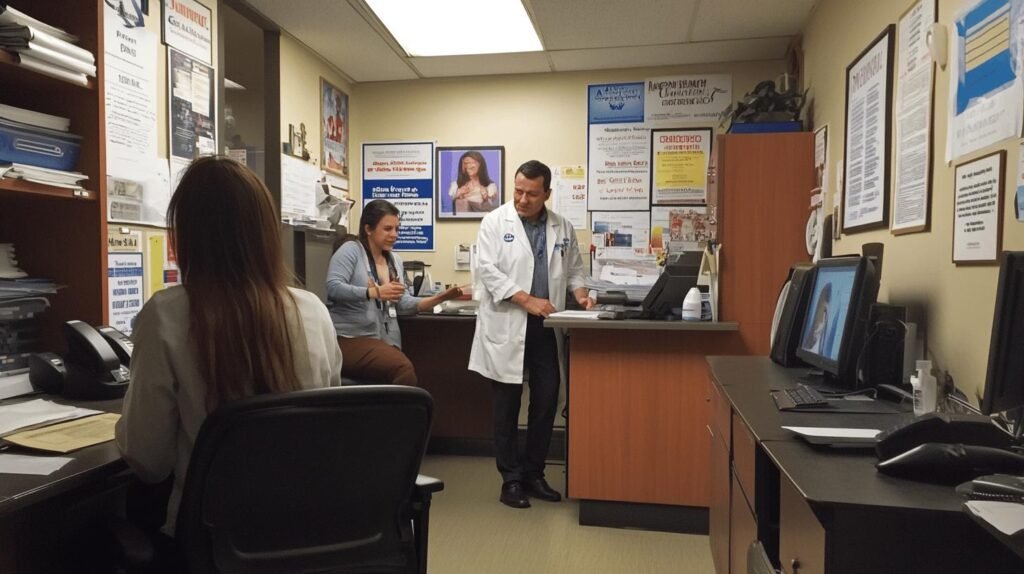
Quick answer: Direct primary care for small businesses gives employees easy access to a personal doctor for a flat monthly fee, often saving companies money while reducing time off for doctor visits. It works well alongside traditional insurance for everyday health needs like colds, checkups, and chronic condition management. Learn more about how DPC works or see typical DPC costs.
Why Small Businesses Are Rethinking Health Benefits
Offering health insurance has gotten painfully expensive for small businesses. Premiums climb every year, deductibles grow, and employees still end up paying out of pocket for routine care. Many business owners feel stuck between offering nothing and offering a plan nobody can actually afford to use.
Direct primary care is not health insurance, and it does not replace it. Instead, it sits alongside your existing plan and handles the everyday medical needs that clog up the system. When employees can see a doctor quickly and affordably for routine problems, they use the emergency room less and miss fewer workdays.
How DPC Actually Works for Employers
The model is straightforward. A business pays a flat monthly fee per employee—usually between $50 and $100—to a local DPC clinic. In return, that employee gets unlimited access to a primary care physician. Most DPC memberships include basic labs, procedures, and same-day or next-day appointments.
- No copays for office visits
- No surprise bills after an appointment
- Direct phone or text access to the doctor
- Longer appointments, usually 30 to 60 minutes
This is fundamentally different from traditional insurance, which reimburses for individual services. DPC removes the billing middleman entirely. If you want to understand the structural differences, our DPC versus insurance guide breaks it down clearly.
The Real Financial Picture
Small business owners care about the bottom line, and DPC can move it in the right direction. The monthly fee is predictable—no rate shocks at renewal time. Many businesses pair DPC with a lower-premium, higher-deductible insurance plan for catastrophic coverage. The savings on the insurance side often cover the DPC membership cost entirely.
Beyond premiums, there are hidden savings. When an employee’s child gets an ear infection on a Friday afternoon, they can text their DPC doctor instead of heading to urgent care or the ER. That single avoided ER visit can save thousands of dollars. Over a workforce, those savings add up. For a deeper look at the numbers, visit our page on direct primary care cost.
What Employees Actually Get
From the employee’s perspective, DPC feels like healthcare used to feel—personal and unhurried. They see the same doctor each time, someone who knows their history, their family, and their health goals. This matters a lot for families managing ongoing conditions like diabetes, high blood pressure, or asthma.
Parents benefit enormously. Kids get sick often and usually at inconvenient times. Having a doctor you can call directly, without sitting on hold with a nurse line or waiting weeks for an opening, changes the experience completely. Our article on direct primary care for families covers this in more detail.
It is worth noting what DPC does not cover: hospital stays, surgeries, specialist referrals, and prescription drugs beyond what the clinic stocks. Employees still need insurance for those things. DPC handles the other 80% of healthcare—the part people actually use most.
DPC Is Not Concierge Medicine
Some employers hear “direct access to a doctor” and assume it is concierge medicine, which traditionally costs thousands per year and caters to wealthy patients. The two models share some DNA but diverge completely on price and accessibility. DPC is built to be affordable and scalable, which is exactly why it works for small businesses. You can read the full comparison in our DPC versus concierge medicine article.
Most DPC clinics actively want to serve working people and their families. They design their practices around convenience—online scheduling, evening hours, simple pricing. The goal is removing barriers, not creating an exclusive club.
How to Get Started
If you are a small business owner curious about adding DPC to your benefits package, start by talking to your employees about what they actually need from healthcare. Then look for DPC clinics in your area and ask about employer group arrangements. Many clinics offer walkthroughs specifically for business owners.
Use our find a DPC doctor tool to locate clinics near you, and download the DPC clinic checklist to evaluate whether a practice is a good fit for your team. The process takes some legwork upfront, but the result is a benefit your employees will actually use and appreciate.